
Asphalt Paving vs. Concrete: Choosing the Right Surface
People searching for asphalt paving vs. concrete often want expert guidance to choose the best surface, and local contractors can help determine the ideal option for their needs.
If you’re exploring options for upgrading or installing a new surface on your property, understanding the differences between asphalt paving and concrete is an important first step. Property owners in the area often consider these choices for driveways, parking lots, pathways, and more, based on practical factors like durability, appearance, and maintenance needs. Knowing which surface suits your specific project can help ensure a long-lasting and functional result, and local contractors specializing in asphalt paving can provide valuable insights tailored to your property's unique requirements.
Asphalt paving services offered by trusted local contractors can be a strong option for those prioritizing quick installation, flexibility in design, and ease of repairs. Meanwhile, concrete might appeal to property owners seeking a more permanent, low-maintenance surface with a different aesthetic. By comparing these options and consulting with experienced local service providers, property owners can make informed decisions that align with their goals and the practical demands of their property. Keep reading to learn more about the key differences and how local pros can assist in choosing the right surface.
- Driveway installation - homeowners considering asphalt paving vs. concrete for their driveway can rely on local contractors to recommend the best surface based on durability and maintenance needs.
- Parking lot paving - business owners seeking a cost-effective, long-lasting solution often turn to local pros experienced in asphalt paving vs. concrete for large-scale parking areas.
- Roadway repair - municipalities and property managers needing to repair or repave roads may consult local service providers who specialize in asphalt paving vs. concrete options.
- Pathway and walkway construction - property owners planning outdoor paths often work with local contractors to choose between asphalt paving vs. concrete for aesthetic and functional purposes.
- Repaving projects - those updating aging surfaces might contact local pros to evaluate whether asphalt paving vs. concrete best suits their project's longevity and usage.
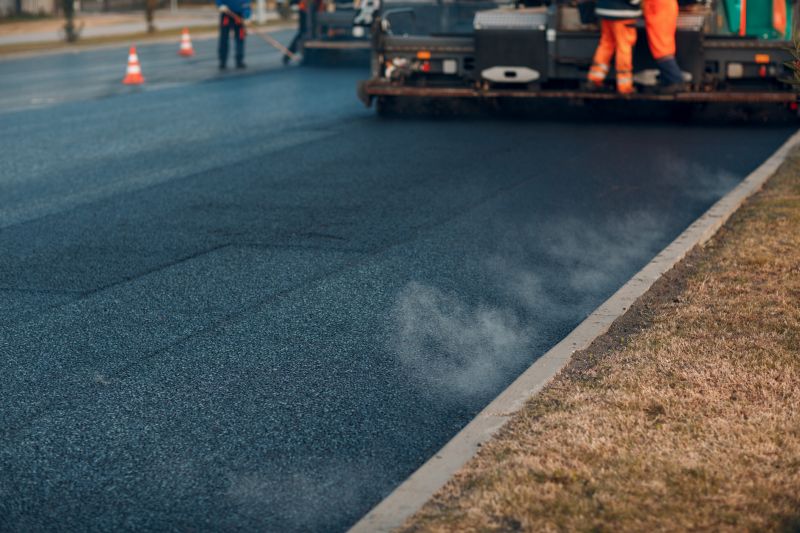
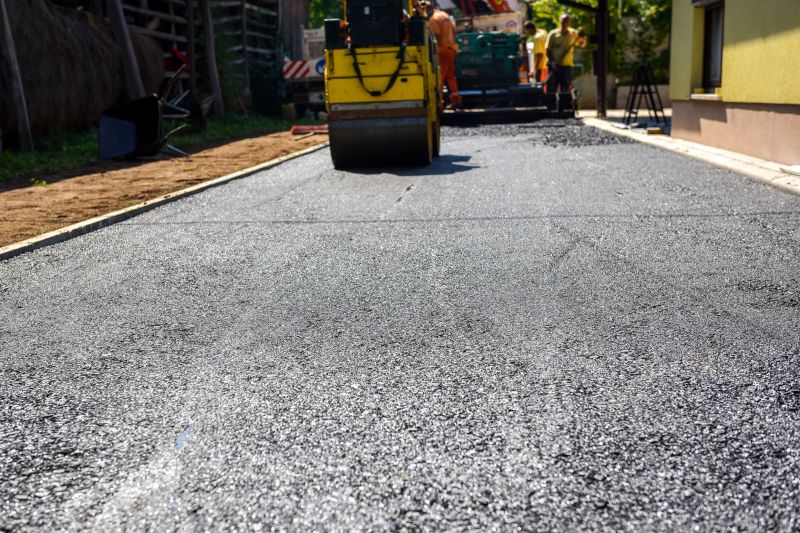
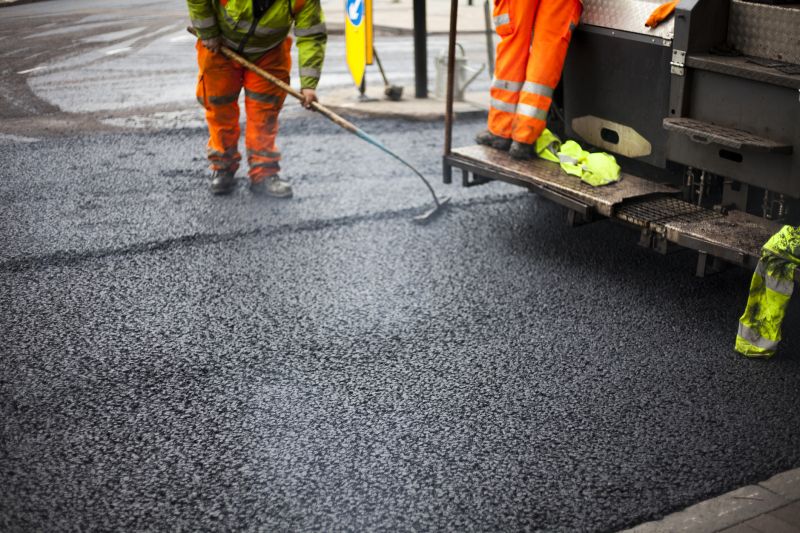
When homeowners search for information about asphalt paving versus concrete, they are often trying to determine which surface material best suits their specific project needs. This topic typically comes up when planning improvements for driveways, parking areas, walkways, or even small commercial lots. People want to understand the differences in durability, appearance, and maintenance requirements to make informed decisions. The goal is to select a surface that will withstand local weather conditions, traffic loads, and usage patterns while fitting within their overall property plans.
Many property owners face common challenges when choosing between asphalt and concrete. These include deciding on a material that offers longevity without excessive upkeep, finding a solution that complements the property's aesthetic, and ensuring the surface can handle the weight and frequency of vehicles or equipment. Residential properties often involve driveways or pathways that need to balance curb appeal with practicality, while commercial properties may require more durable, high-traffic surfaces. Understanding the specific problems or plans related to these projects helps homeowners work more effectively with local contractors who specialize in asphalt paving or concrete work.
Properties that typically come up in discussions about asphalt paving versus concrete include residential homes, small business parking lots, and community or recreational spaces. Residential driveways are among the most common, where homeowners weigh the benefits of a smooth, quick-install surface against the longevity and appearance of concrete. Commercial properties, especially those expecting heavy vehicle traffic, often consider asphalt for its ease of repair and cost-effectiveness. Additionally, properties with space for expansion or future modifications may factor in the flexibility of each material, with local service providers ready to help evaluate the best options based on property size, usage, and aesthetic preferences.
Understanding how asphalt paving and concrete relate to real property projects helps homeowners see the practical implications of their choices. Asphalt is generally favored for its quick installation, flexibility, and ease of repair, making it suitable for driveways and parking areas that experience frequent use. Concrete, on the other hand, offers a more permanent and often more visually appealing surface, ideal for areas where a polished look is desired or where heavy loads are expected over a long period. Local asphalt paving and concrete contractors can assess specific property conditions, traffic demands, and aesthetic goals to recommend the best surface material. This connection between project needs and local expertise ensures that property owners can make informed decisions aligned with their property’s unique requirements.
Driveway Installation - driveway projects often involve asphalt or concrete, requiring similar planning, surface preparation, and material application skills that local contractors can provide.
Parking Lot Paving - parking lot paving projects demand knowledge of surface grading, compaction, and material layering, which are common skills among asphalt and concrete service providers.
Sidewalk Construction - building durable sidewalks involves precise planning and surface finishing, aligning with the expertise of local contractors experienced in paving surfaces.
Patio and Walkway Projects - creating outdoor patios and walkways requires surface leveling and finishing techniques similar to those used in asphalt and concrete work.
Sports Court Surfacing - installing sports courts involves surface preparation and material application skills that are relevant to both asphalt and concrete surface projects.
Industrial Flooring - industrial flooring installation involves surface leveling, sealing, and finishing, which are skills shared by local paving and concrete service providers.
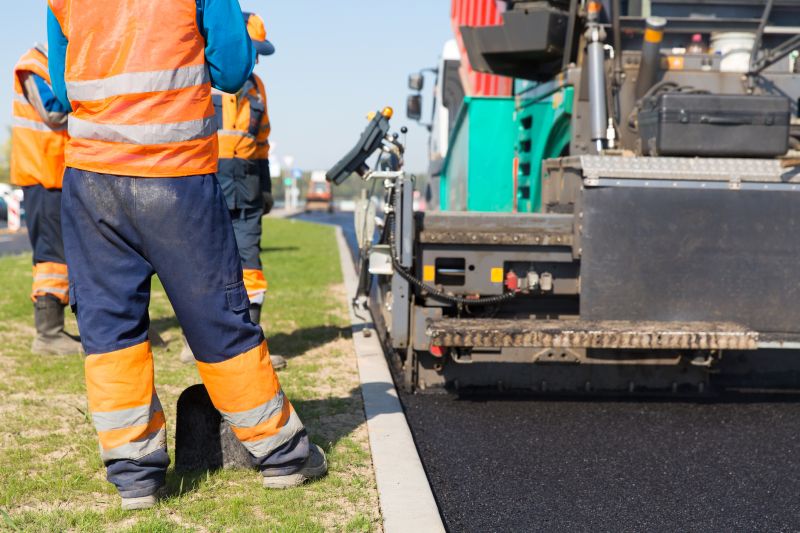
When comparing asphalt paving versus concrete for a driveway or other surface, it’s important to evaluate the experience of local contractors with similar projects. Homeowners should seek out service providers who have a track record of successfully completing projects comparable in size and scope. This experience can indicate familiarity with the specific challenges and best practices associated with each material, helping to ensure the chosen surface will meet long-term expectations. Reputable local contractors often have a portfolio of completed work or references that can be reviewed to verify their expertise and reliability in handling asphalt paving or concrete installations.
Clear, written expectations are a key component when choosing between asphalt paving and concrete services. Homeowners should ensure that potential service providers can clearly outline the scope of work, materials to be used, and the process involved in each type of surface. Having detailed documentation helps prevent misunderstandings and provides a basis for evaluating the quality of the work. Good communication from local contractors also includes responsiveness to questions and transparency about the project, which can make the decision-making process smoother and more informed.
Reputable references and strong communication are essential when comparing local contractors for asphalt paving and concrete projects. Homeowners are encouraged to ask for references from past clients or to seek reviews that highlight the contractor’s professionalism, reliability, and quality of work. Effective communication throughout the process ensures that expectations are aligned and that any concerns or adjustments can be addressed promptly. Choosing a service provider who values clear dialogue and has positive references can contribute to a more satisfactory experience and a successful project outcome.
Property owners often search for asphalt paving vs. concrete: choosing the right surface when they are planning practical projects around their homes and businesses. Local pros provide Asphalt Paving services for everyday jobs and straightforward project options.
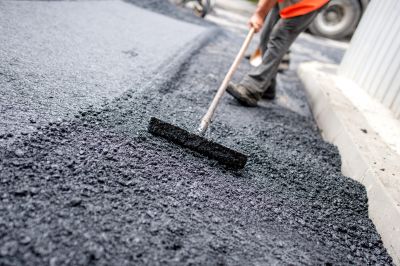
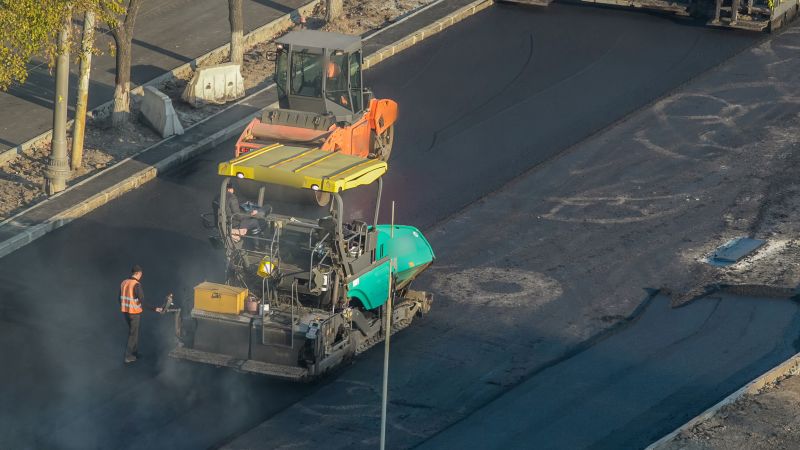
When considering a new driveway, parking lot, or walkway, property owners often compare asphalt paving vs. concrete to determine which surface best suits their needs. Asphalt paving tends to be favored for its quick installation and smooth finish, making it a popular choice for those who want a functional surface that can handle frequent use. Concrete, on the other hand, is known for its durability and longer lifespan, which might appeal to property owners seeking a low-maintenance option that can withstand heavy loads over time. Local contractors can help evaluate the specific conditions of a property and recommend the most suitable surface based on usage patterns, climate, and aesthetic preferences.
Many property owners look into asphalt paving services because of its affordability and ease of repair, especially for projects requiring frequent resurfacing or patching. Conversely, concrete surfaces often require a higher initial investment but can offer increased strength and a cleaner appearance. Understanding the differences between asphalt paving vs. concrete can help property owners make informed decisions that align with their project goals. Local service providers are equipped to provide guidance on these options, ensuring that the chosen surface will meet the practical needs and long-term expectations for the property.
What are the main differences between asphalt paving and concrete surfaces? Asphalt paving typically offers quicker installation and easier repairs, while concrete tends to be more durable and longer-lasting. Local contractors can help determine which material suits specific needs based on usage and climate.
How does the maintenance of asphalt paving compare to concrete surfaces? Asphalt generally requires regular sealing and patching, whereas concrete may need crack repairs and sealing less frequently. Service providers can advise on ongoing upkeep for each surface type.
Which surface is better for high-traffic areas? Concrete often withstands heavy traffic better due to its strength, but asphalt can also be suitable with proper reinforcement. Local contractors can assess site conditions to recommend the best option.
Are there aesthetic differences between asphalt paving and concrete? Concrete offers more design flexibility with colors and patterns, while asphalt has a traditional, uniform appearance. Local service providers can help explore decorative options for each surface.
Can asphalt paving be a suitable choice for driveways and parking lots? Yes, asphalt is commonly used for driveways and parking lots because of its cost-effectiveness and quick installation. Local contractors can evaluate your specific project to recommend the best surface type.
Assessing durability needs - Property owners can discuss with local contractors about how asphalt paving services can provide a durable surface suited for high traffic areas or heavy equipment.
Considering climate factors - Homeowners in varying climates might explore how asphalt paving vs. concrete perform under weather conditions like freeze-thaw cycles, with guidance from local pros.
Matching style and function - People planning driveways or walkways can evaluate the aesthetic appeal and functionality of each surface type, with local contractors helping choose the best option.
Understanding maintenance requirements - Property owners can learn about ongoing upkeep for asphalt paving and concrete, ensuring the chosen surface remains functional and visually appealing over time.
If you are thinking about asphalt paving vs. concrete: choosing the right surface for a property, this guide is meant to help you understand this topic, the typical project types, and how different options might fit your plans.
When you are ready, you can use the quote form on this page to share a few details about your project. From there, local pros can review the basics and follow up with options that match what you have in mind.